• For as long as medicine has existed, the doctor-patient relationship has been built on presence. A person who doesn’t feel well walks into a clinic, sits across from a physician, and begins to talk. The doctor listens — not just to the words, but to the pauses, the hesitations, the way a story is told. That conversation is followed by the physical exam: the touch that confirms or questions what was said, the read of body language, the quiet assessment of a patient’s state of mind. Only after all of this does a physician decide on the next step — more tests, a diagnosis, or the start of treatment. It is, at its core, a deeply human process.

    When the Pandemic Changed the Exam Room

    COVID-19 forced healthcare to adapt overnight. With hospitals overwhelmed and the virus itself a threat to anyone walking through a clinic door, telemedicine went from a niche convenience to a necessity almost overnight. It made sense — patients still needed care, chronic conditions still needed monitoring, and prescriptions still needed to be renewed, all while keeping both patients and providers safe. Telemedicine met a real and urgent need at a real and urgent moment.

    The Practice That Outlived the Emergency

    What’s notable is that telemedicine never really went away. Years after the acute crisis passed, virtual visits remain a routine part of how care is delivered. A model built for an emergency has quietly become the default for many types of visits — including, in many cases, mental health care.

    And this is where the questions start to matter.

    Can a Screen Really See a Patient?

    Mental health diagnosis and treatment have always depended on more than words. A clinician trained to evaluate a patient’s mental state is reading posture, eye contact, restlessness, the way someone sits with silence, the small physical tells that don’t always translate into speech. A flattened affect, a tremor, the way someone’s hands move while they talk — these are clinical data points, not incidental details.

    When that same evaluation happens through a webcam — often cropped to a face, sometimes with a lagging connection or a poorly lit room — how much of that information survives? Can a doctor or nurse practitioner truly gauge whether a patient is improving, stable, or quietly declining without seeing the whole person? Is a clinical judgment made this way held to the same standard as one made in person, or has the bar quietly shifted because the format changed?

    The Questions is there an Answer?

    This raises a few questions that deserve real answers, not assumptions:

    • Does the healthcare system actually track outcome data comparing in-person versus telemedicine mental health care — and if it does, is that data showing equivalent outcomes, or a decline that hasn’t been widely reported?
    • Are patients and families being told, clearly, that they are receiving a different kind of evaluation than an in-person visit — one with real, known limitations?
    • Is telemedicine being used because it’s the right clinical choice for a given patient, or because it’s operationally convenient for the system providing the care?

    Telemedicine undeniably has a place. It has improved access for people in rural areas, for those with mobility limitations, and for patients who simply couldn’t get an appointment otherwise. But convenience and access should not be confused with equivalence. If a screen cannot fully replace a physical presence in evaluating a broken bone, it’s worth asking hard questions about whether it can fully replace that presence in evaluating a mind in distress.

    Where This Leaves Us

    The pandemic gave healthcare a reason to change quickly. What it didn’t give us was a full accounting of what was gained and what may have been quietly lost in that shift — particularly in a field as nuanced as mental health, where the exam has always depended on far more than what a doctor hears. Before telemedicine becomes the permanent default for mental health care, the field owes patients real data, honest transparency, and a clear-eyed answer to a simple question: is this actually working as well as being in the room once did?


  • Crowded restaurant with people dining and waitstaff serving drinks

    A few days ago, I decided to check out a newly opened restaurant in my city — partly out of curiosity about the ambience, and honestly, mostly for the food. What I walked away with instead was a case study in why operational process matters just as much as culinary talent.

    The Experience

    I walked in and was greeted by someone who appeared to be walking around the floor — I assumed he was in charge of seating guests. He came back to hand us a menu, printed on a single piece of paper. Then he disappeared again, only to return to take our order. At no point did anyone offer us water or ask what we’d like to drink.

    When our starter finally arrived, there were no plates or water at the table. We had to remind him, and it came out with an apologetic “sorry.” After we finished eating, no one checked back to ask if we needed anything else, whether the table could be cleared, or if we wanted the bill. We waited close to ten minutes for that too.

    What I noticed in the meantime was telling: the staff were completely occupied fulfilling online delivery orders, while the guests who had physically walked in — the ones sitting right in front of them — got almost no attention.

    The food itself was genuinely good. Authentic, well-prepared, the kind of dish that should earn a repeat customer. And yet I walked out not fully satisfied, and honestly unsure if I’d go back.

    The Real Question

    This raises a question that every hospitality operator should sit with: can a restaurant survive on good food alone, without a proper process and trained staff to deliver the experience around it?

    I’d argue no — not for long. Food gets someone in the door once. Experience is what determines whether they come back, and whether they tell others to come too.

    There’s also a margin question hiding in this story. A dine-in guest who has a great experience becomes a repeat customer, tells friends, and contributes to the restaurant’s brand and full-margin revenue. An online delivery order, by contrast, is often heavily discounted by the platform’s commission and fees — the restaurant’s take-home margin on that order is thin. When staff attention gets pulled toward fulfilling delivery orders at the expense of guests who are physically sitting in the restaurant, the business may be optimizing for the wrong economics: chasing volume on the low-margin channel while under-serving the high-margin, high-loyalty channel that’s sitting right there.

    Where Process Improvement Comes In

    Nothing that went wrong in this visit was a food problem. Every single gap was a process and training gap:

    • No defined service sequence. Greeting, seating, water, menu, order, delivery of food with proper table setup — each step needs to be a standard, not something staff improvise based on how busy they feel.
    • No role clarity. One person seemed to be doing everything — seating, serving, presumably also handling delivery orders. Without clear roles (or a system for balancing them), someone always gets shortchanged.
    • No table-service checkpoints. A simple habit of checking back after food arrives, and again before the bill, is a scriptable, trainable behavior — not something left to chance.
    • No channel prioritization strategy. If delivery orders are pulling attention away from dine-in guests, that’s a staffing and workflow decision, not an inevitability. A queuing or triage system for orders (in-house vs. delivery) would prevent one channel from cannibalizing the other.

    None of this requires new equipment or a bigger kitchen. It requires a documented process, a short training cycle, and a manager who monitors adherence — the same fundamentals that apply to process improvement in any operational business, healthcare included. A clinic with excellent physicians but poor patient-flow processes suffers the same fate as a restaurant with excellent food but poor service processes: patients, or customers, don’t come back, regardless of how good the core product was.

    The Takeaway

    Good food buys a restaurant a first visit. A good process is what buys the second one. In an industry where margins are already thin and customer acquisition cost is real, the businesses that survive are rarely the ones with the best dish — they’re the ones where every guest, walk-in or online, gets a consistent, well-run experience. That’s not a culinary problem. It’s a process problem, and it’s entirely solvable.


  • Why Platform Engineering Is Your First Line of Defense Against AI Agent Risk
    The New Operator in Your Cloud Isn’t Human

    Most companies didn’t plan for this. Somewhere between adopting a copilot for customer support, an autonomous agent for DevOps ticket triage, and a workflow bot that provisions cloud resources on demand, businesses quietly handed a meaningful slice of their infrastructure decisions to software that acts on its own. AI agents can now read logs, call APIs, spin up compute, modify configurations, and trigger deployments — often faster than any human team could review.

    That speed is the appeal. It’s also the risk.

    An AI agent doesn’t get tired, doesn’t second-guess a bad instruction, and doesn’t pause to ask “should I actually be doing this?” If it’s given broad permissions, a malformed prompt, a misconfigured trigger, or an unexpected edge case can turn into a runaway process, a resource-exhaustion event, a cost spike, or a security exposure — at machine speed, at 3 a.m., with no one watching.

    For any business running the majority of its operations in the cloud, this isn’t a hypothetical. It’s an operational reality that needs to be designed for, not discovered during an outage.

    The Old Model: Fix It After It Breaks

    Traditional IT operations have long run on a reactive model — something breaks, an alert fires, someone gets paged, and the team works backward to find root cause. That model was already expensive and stressful with human-driven systems. With autonomous AI agents in the mix, it’s dangerously slow.

    By the time a human notices unusual API call volume, a runaway agent may have already:

    • Provisioned and abandoned cloud resources, driving unexpected costs
    • Made cascading changes across dependent services
    • Triggered downstream failures in systems that trusted its output
    • Exposed sensitive data through an overly permissive integration
    • Degraded application performance for real customers, invisibly, before anyone filed a ticket

    Post-incident fixes are, by definition, damage control. The business has already paid the cost — in downtime, in customer trust, in engineering hours spent untangling what happened instead of building what’s next.

    Platform Engineering: Designing the Guardrails Before the Agent Acts

    This is where platform engineering earns its keep. Rather than treating AI agents as just another workload to monitor after the fact, a mature platform engineering practice designs the environment an agent operates in — so that bad behavior is constrained by architecture, not caught by luck.

    A few things this looks like in practice:

    Scoped permissions by default. Agents get the minimum access required for their task, nothing more. No agent should have the same blast radius as a senior engineer with root access.

    Rate limits and circuit breakers. Automated ceilings on API calls, resource provisioning, and spend, so a misbehaving agent hits a wall instead of scaling a mistake.

    Sandboxed execution paths. Agent-initiated changes flow through staging or approval gates before touching production, especially for anything irreversible.

    Policy-as-code enforcement. Guardrails that are version-controlled, testable, and automatically applied — not tribal knowledge that lives in someone’s head.

    Audit trails built in from the start. Every action an agent takes is logged, attributable, and reviewable, so “what did the agent actually do” is a five-minute query, not a forensic investigation.

    Done well, platform engineering doesn’t slow down AI adoption — it’s what makes aggressive AI adoption safe enough to actually pursue.

    Why Every Cloud-Dependent Business Needs to Think About This Now

    It’s tempting to think of AI agent risk as a “later” problem — something to revisit once the agent program scales. But the businesses most exposed are often the ones that adopted agents quickly and informally: a script here, an automation there, a vendor’s AI feature turned on without a second look.

    If your operations run predominantly in the cloud, you already have the two ingredients that make this urgent:

    1. Infrastructure that’s programmable — meaning anything with access, human or AI, can change it fast.
    2. Business continuity that depends on that infrastructure staying healthy — meaning any disruption is immediately felt by customers and revenue.

    The combination means AI agent governance isn’t an IT nice-to-have. It’s a business continuity issue, on par with disaster recovery planning or a security incident response plan.

    Where SRE and Application Performance Engineering Complete the Picture

    Platform engineering builds the guardrails. Site Reliability Engineering (SRE) and Application Performance Engineering are what make sure you’d actually notice — and respond — before a small deviation becomes a full incident.

    Site Reliability Engineering brings the discipline of defining what “healthy” looks like and instrumenting the system to detect the moment it isn’t:

    • Error budgets and SLOs that give you an early, quantified signal — not a gut feeling — when something is degrading
    • Automated alerting tuned to catch anomalous patterns (like unusual API call spikes or unexpected resource provisioning) that are classic signatures of an agent acting outside its intended scope
    • Runbooks and automated remediation that contain an issue before it needs a human at all

    Application Performance Engineering focuses on the layer where customers actually feel the impact:

    • Real-time tracing that shows exactly which service, call, or agent action is behind a slowdown
    • Baseline performance modeling, so deviations are obvious immediately rather than buried in noise
    • Capacity and cost monitoring that flags an agent quietly consuming more compute or spend than its task justifies

    Together, these two disciplines turn “we found out from a customer complaint” into “we caught it in the dashboard before it reached a customer at all.”

    The Shift That Matters

    The businesses that will handle AI agents well aren’t the ones with the most sophisticated agents — they’re the ones that treated observability, reliability, and platform design as prerequisites for agent adoption, not afterthoughts bolted on post-incident.

    That means:

    • Platform engineering defining what an agent is and isn’t allowed to touch
    • SRE watching system health continuously, with automated response built in
    • Application performance engineering making sure the customer-facing impact is visible in minutes, not discovered in a support queue

    For any company whose operations live in the cloud, this isn’t a future investment. It’s the difference between an AI agent incident that costs an afternoon of engineering time to review a log — and one that costs a weekend, a customer, or a headline.

    The fix isn’t a better incident response process. It’s not needing one in the first place.

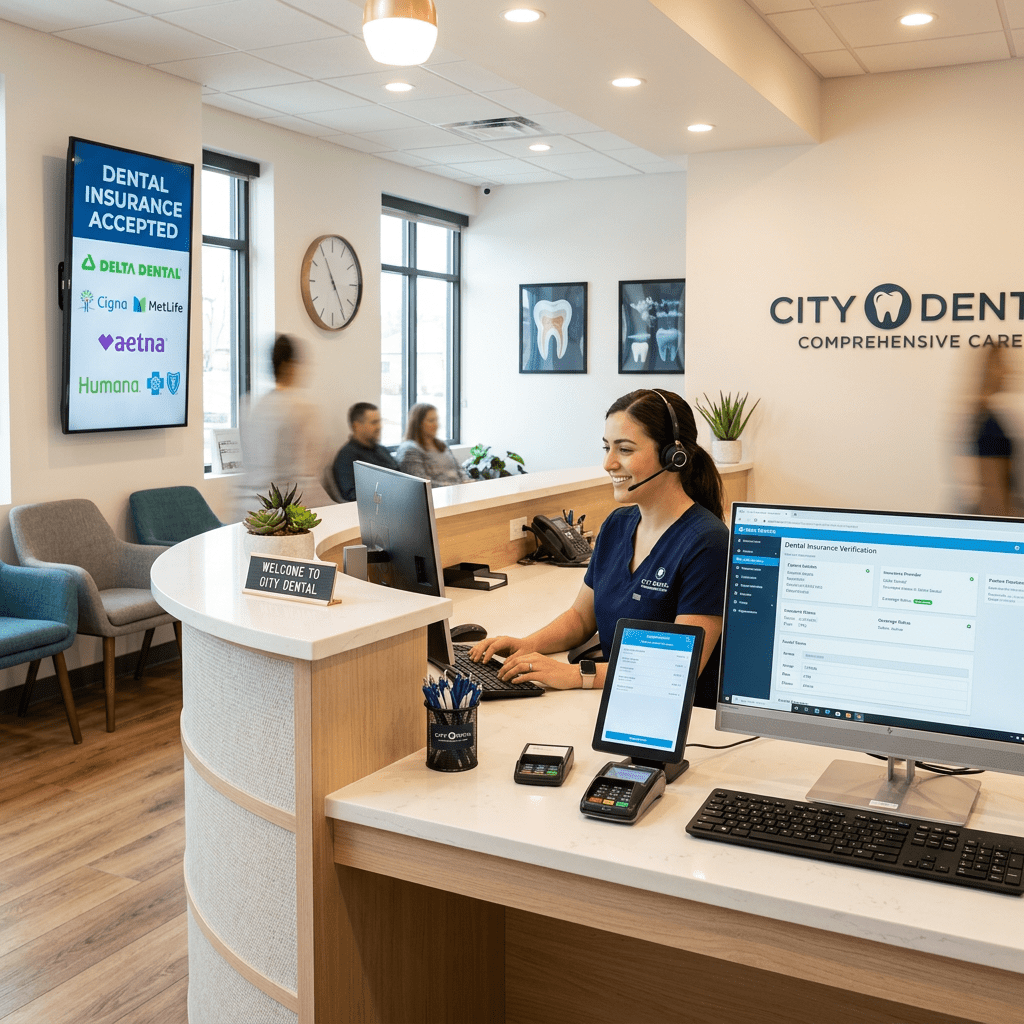
  • Eligibility Verification – Dental

    Dental Eligibility Verification: Why It Matters and How Our Virtual Assistant Can Help

    Dental eligibility is the process of confirming a patient’s insurance coverage for a dental procedure, either before their scheduled appointment or when they arrive at the clinic. This verification step plays a critical role in the smooth functioning of any dental practice and directly impacts both patient satisfaction and revenue cycle management.

    Why Dental Eligibility Verification is Important:

    1. Ensures Valid Insurance Coverage:
      Verifying dental eligibility helps confirm that the patient has active and valid insurance that will cover the treatment being proposed. This prevents scenarios where treatment is provided but insurance later denies the claim, leaving the patient and the practice in a difficult position.
    2. Confirms Procedure-Specific Coverage:
      Not all dental procedures are covered under every insurance plan. Eligibility checks help determine whether the specific treatment—such as a root canal, crown, or cleaning—is included in the patient’s policy. This allows the dentist and staff to make informed decisions and provide accurate cost estimates to the patient.
    3. Verifies Active Insurance Status:
      Insurance policies can lapse due to non-payment, changes in employment, or other factors. Confirming that the patient’s insurance is active and valid on the day of the procedure is essential to avoid claim denials and ensure timely reimbursement.
    4. Reduces Billing Errors and Delays:
      Accurate eligibility verification minimizes the risk of billing errors and delays in payment. It also reduces the need for rework or resubmission of claims, helping the practice maintain a healthy cash flow.
    5. Improves Patient Experience:
      When patients are informed about their coverage and potential out-of-pocket costs ahead of time, it leads to greater transparency and trust. This enhances the overall patient experience and improves satisfaction.

    How Our Virtual Assistant (VA) Supports Your Practice:

    Our trained Virtual Assistant takes care of the entire dental eligibility verification process on behalf of your practice. This includes:

    • Contacting insurance providers to gather up-to-date information.
    • Verifying the patient’s policy status, coverage limits, and benefits.
    • Checking whether the specific dental procedure is covered under the plan.
    • Communicating any coverage limitations, copays, or exclusions.
    • Promptly sharing the verified information with your front desk or billing team.

    By delegating this task to our VA, your team can focus more on patient care while ensuring every appointment is backed by verified insurance coverage. This service not only streamlines your administrative workflow but also protects your revenue and enhances patient trust.

  • Medical Tourism

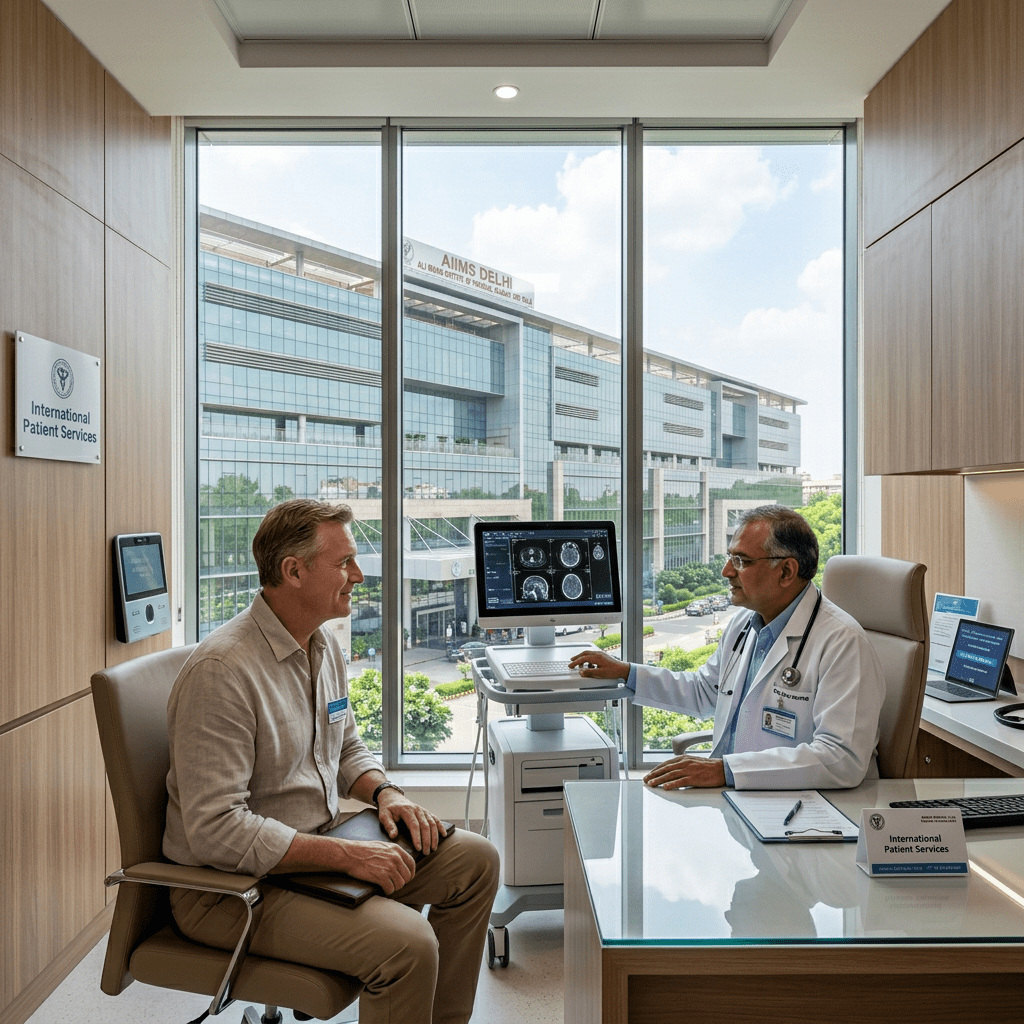
    Medical tourism, has become a significant sector in India. The country is recognized for its high-quality, affordable healthcare services, making it an attractive destination for international patients. Here’s an overview of healthcare tourism to India:

    Key Advantages of Healthcare Tourism in India:

    1. Cost-Effectiveness: Medical treatments in India are much cheaper compared to countries like the USA, UK, and other Western nations. For instance, surgeries, medical procedures, and consultations can cost up to 60-80% less than in developed countries.
    2. World-Class Healthcare Facilities: India boasts a wide array of internationally accredited hospitals and medical centers, many of which adhere to global standards. Cities like Delhi, Mumbai, Bengaluru, and Chennai are popular destinations for medical tourists, with hospitals equipped with the latest technology and highly skilled doctors.
    3. Skilled Medical Professionals: India has a vast pool of experienced doctors, surgeons, and specialists who have trained in renowned institutions globally. Many healthcare professionals in India are known for their expertise in fields like cardiac surgery, orthopedic surgery, cosmetic surgery, fertility treatments, and cancer care.
    4. Range of Treatments: India offers a wide range of medical services, including:
      • Cosmetic and Plastic Surgery
      • Orthopedic Treatments (joint replacements, spine surgeries)
      • Cardiac Surgeries (bypass, valve replacement)
      • Infertility Treatments (IVF)
      • Cancer Treatments (radiation therapy, chemotherapy)
      • Ayurvedic Treatments and Alternative Medicine (traditional healing therapies)
      • Dental Care (cosmetic dentistry, implants, etc.)
    5. No Waiting Time: Unlike many developed nations where patients often face long waiting times for treatment, India offers quick access to healthcare services, allowing tourists to get treated without unnecessary delays.
    6. Medical Visa: India provides a Medical Visa (M-visa) to international patients, making the process of traveling for medical treatment more streamlined.
    7. Tourism Opportunities: Patients and their families can also explore India’s rich culture, heritage, and tourist attractions while undergoing treatment, making the experience more enjoyable.

    Popular Cities for Healthcare Tourism in India:

    • Delhi: Known for its world-class hospitals and specialized treatment centers.
    • Mumbai: A hub for medical tourism, offering advanced treatment options.
    • Bengaluru: Famous for its healthcare infrastructure, particularly in IT and biotech-related healthcare.
    • Chennai: A leading destination for specialized treatments like cardiac surgery and orthopedics.
    • Hyderabad: Known for medical excellence in various specialties.

    Common Challenges:

    • Language Barrier: Although English is widely spoken, some medical tourists may face language barriers in certain regions.
    • Post-Treatment Care: Ensuring follow-up care once back home can be tricky, so many patients prefer staying in India longer for recovery.

    Conclusion:

    India is a top choice for healthcare tourism due to its combination of high-quality medical services, affordability, and the ability to receive treatment in a short time. It continues to be an attractive destination for patients seeking both modern and traditional healthcare solutions.

    If you’re considering healthcare tourism to India, it’s crucial to research hospitals and medical professionals, compare prices, and plan your travel and accommodation accordingly.

  • Breathing Exercise Conductive environment

    Creating a conducive environment for breathing exercises can enhance your mindfulness practice. Here are some tips for setting up the best place in your house:

    1. Quiet Space: Choose a location that is free from distractions and noise. This could be a corner of your bedroom, a dedicated meditation room, or even a quiet spot in your living room.
    2. Comfortable Seating: Ensure you have a comfortable place to sit or lie down. This could be a cushion, yoga mat, or a comfortable chair. The key is to maintain a posture that allows you to breathe deeply and comfortably.
    3. Natural Light: If possible, select a space with natural light. Sunlight can create a calming atmosphere and help you feel more connected to nature.
    4. Fresh Air: Good ventilation is important. If weather permits, open a window to let in fresh air. This can enhance your breathing exercises and make the experience more refreshing.
    5. Minimal Clutter: Keep the area tidy and free from clutter. A clean, organized space can help reduce distractions and promote a sense of calm.
    6. Aromatherapy: Consider using essential oils or incense to create a soothing environment. Scents like lavender, chamomile, or eucalyptus can help you relax and focus.
    7. Soft Lighting: If natural light isn’t available, use soft, warm lighting. Avoid harsh, bright lights that can be distracting.
    8. Personal Touches: Add elements that make you feel comfortable and relaxed, such as plants, calming artwork, or a small water fountain.
    9. Sound: If you find it helpful, play soft, calming music or nature sounds. This can create a peaceful ambiance and help you stay focused on your breathing.
    10. Consistency: Try to use the same space regularly for your breathing exercises. This can help create a routine and make it easier to slip into a mindful state.

    Would you like any specific recommendations for setting up your space?

  • Mindful walking – Mindfulness

    Mindful walking is a wonderful way to incorporate mindfulness into your daily routine. Here’s how you can practice it:

    1. Choose a Path: Find a quiet place where you can walk without many distractions. It could be a park, a quiet street, or even your backyard.
    2. Start Slowly: Begin walking at a slow, comfortable pace. Focus on the sensation of your feet touching the ground.
    3. Pay Attention to Your Body: Notice the movement of your legs, the shifting of your weight, and the rhythm of your steps. Feel the connection between your feet and the earth.
    4. Engage Your Senses: Observe your surroundings. Notice the colors, shapes, and textures around you. Listen to the sounds, whether it’s birds chirping, leaves rustling, or distant traffic. Take in the smells of nature or the air around you.
    5. Focus on Your Breath: Pay attention to your breathing. Notice how it syncs with your steps. You can try coordinating your breath with your steps, such as inhaling for three steps and exhaling for three steps.
    6. Stay Present: If your mind starts to wander, gently bring your focus back to the present moment. Use the sensations of walking and your surroundings to anchor your attention.
    7. Be Non-Judgmental: Accept whatever thoughts or feelings arise without judgment. Simply observe them and let them pass, returning your focus to your walking.
    8. End with Gratitude: As you finish your walk, take a moment to express gratitude for the experience. Appreciate the time you took for yourself and the connection you felt with your surroundings.

    Mindful walking can be a refreshing way to clear your mind and connect with the present moment. Would you like to try this on your next walk?

  • Mindfulness

    Mindfulness is the practice of being fully present and engaged in the current moment, without judgment. It involves paying attention to your thoughts, feelings, and sensations in a non-reactive way. By focusing on the present, mindfulness helps reduce stress, improve emotional regulation, and enhance overall well-being.

    Mindfulness Techniques 

    1. Breathing Exercises: Focus on your breath. Inhale deeply through your nose, hold for a few seconds, and exhale slowly through your mouth. Repeat this process, paying attention to the sensation of breathing.
    2. Body Scan: Lie down or sit comfortably and close your eyes. Slowly bring your attention to different parts of your body, starting from your toes and moving up to your head. Notice any sensations, tension, or discomfort without trying to change anything.
    3. Mindful Walking: Take a walk and pay attention to the sensation of your feet touching the ground, the movement of your legs, and the rhythm of your breath. Notice the sights, sounds, and smells around you.
    4. Mindful Eating: Eat a meal or snack slowly, paying full attention to the taste, texture, and aroma of your food. Notice how your body feels as you eat and savor each bite.
    5. Loving-Kindness Meditation: Sit comfortably and close your eyes. Silently repeat phrases like “May I be happy, may I be healthy, may I be safe.” Then extend these wishes to others, including loved ones, acquaintances, and even people you find challenging.
    6. Gratitude Journaling: Write down three things you are grateful for each day. Reflect on the positive aspects of your life and the people who bring you joy.
    7. Mindful Listening: When talking to someone, give them your full attention. Listen to their words, tone, and body language without planning your response. This practice can improve your relationships and communication skills.
    8. Guided Meditation: Use apps or online resources to follow guided mindfulness meditations. These can provide structure and support as you develop your practice.

    Which of these techniques would you like to try first?


  • Breathing exercises are a fundamental part of mindfulness practice. Here are a few techniques you can try:

    1. Deep Breathing:
      • Sit or lie down in a comfortable position.
      • Close your eyes and take a deep breath in through your nose, filling your lungs completely.
      • Hold the breath for a few seconds.
      • Slowly exhale through your mouth, letting go of any tension.
      • Repeat this process for a few minutes, focusing on the sensation of your breath.
    2. 4-7-8 Breathing:
      • Inhale quietly through your nose for a count of 4.
      • Hold your breath for a count of 7.
      • Exhale completely through your mouth for a count of 8.
      • Repeat this cycle three to four times.
    3. Box Breathing:
      • Inhale through your nose for a count of 4.
      • Hold your breath for a count of 4.
      • Exhale through your mouth for a count of 4.
      • Hold your breath again for a count of 4.
      • Repeat this cycle for several minutes.
    4. Alternate Nostril Breathing:
      • Sit comfortably and close your right nostril with your right thumb.
      • Inhale deeply through your left nostril.
      • Close your left nostril with your right ring finger and release your right nostril.
      • Exhale through your right nostril.
      • Inhale through your right nostril, then close it and exhale through your left nostril.
      • Continue this pattern for a few minutes.
    5. Counting Breaths:
      • Sit comfortably and close your eyes.
      • Take a deep breath in and count “one” in your mind.
      • Exhale and count “two.”
      • Continue counting each breath up to ten, then start over.
      • If your mind wanders, gently bring your focus back to your breath and the counting.

    These exercises can help you relax, reduce stress, and improve your focus. Which one would you like to try first?


  • Importance of HCM

    Enhanced Productivity: By investing in employee development and aligning their skills with organizational goals, companies can boost overall productivity.

    Employee Satisfaction and Retention: HCM practices foster a positive work environment, leading to higher job satisfaction and lower turnover rates.

    Strategic Alignment: HCM helps ensure that the workforce is aligned with the company’s strategic objectives, driving long-term success.

    Competitive Advantage: Organizations with strong HCM practices are better equipped to attract and retain top talent, giving them a competitive edge in the market.